• Logo
    PaperBananaAI Academic Illustration Generator
Home
  • Home
  • Studio
  • Scientific Illustration Generator
  • Poster Maker
  • Diagram Maker
  • Figure Editor
  • Pricing
My Creations
  • My Creations
  • Invite Friends
LogoPaperBanana
HomePromptsBlogPricingInvite Friends
  1. Home
  2. Tools
  3. Punnett Square Maker
PaperBanana

PaperBanana - AI-powered academic illustration generator

support@paperbanana.me
All Tools

Tool directory

AI Figure Tools

  • Scientific Illustration
  • Graphical Abstract Maker
  • Scientific Poster Maker
  • Scientific Diagram Maker
  • Scientific Figure Editor
  • Prompts

Research Diagrams

  • Conceptual Framework Generator
  • Neural Network Diagram Generator
  • PRISMA Flow Diagram Generator
  • CONSORT Flow Diagram Generator

Graphic Organizers

  • Graphic Organizer Maker
  • Frayer Model Maker
  • KWL Chart Maker
  • Cause and Effect Graphic Organizer
  • Compare and Contrast Graphic Organizer
  • Spider Diagram Maker
  • Plot Diagram Maker
  • Syntactic Tree Generator
  • Sentence Diagram Generator
  • Punnett Square Maker
  • Venn Diagram Maker

Math & Physics

  • Factor Tree Generator
  • Number Line Generator
  • Force Diagram Maker
  • Bohr Model Maker

Data Visualization

  • Sankey Diagram Generator
  • Scatter Plot Maker
  • Dot Plot Maker
  • Forest Plot Maker
  • Funnel Plot Maker
  • Kaplan-Meier Curve Maker
  • Box Plot Maker
  • Heatmap Generator
  • Volcano Plot Generator
  • Phylogenetic Tree Generator

Image & Submission

  • Journal Figure Checker
  • Image Format Converter

© 2026 PaperBanana. All Rights Reserved.

Support

  • About
  • Blog
  • Pricing
  • Contact

Legal

  • Privacy Policy
  • Terms of Service
  • Acceptable Use
Online genetics cross tool

Punnett Square Maker: Build and Check One- and Two-Trait Crosses

Enter two parent genotypes to see a 2×2 or 4×4 grid, each parent's gametes, and offspring ratios. Fill in the cells yourself in practice mode, check your answers, then export SVG or PNG. No signup needed.

✓ Monohybrid and dihybrid crosses✓ Genotype and phenotype ratios✓ Fill-and-check practice mode✓ SVG and PNG export

Live genetics calculator

Set up the cross

Use the same letter in each parent's pair: Aa for one trait, AaBb for two. Uppercase means dominant; lowercase means recessive.

Number of traits
Inheritance pattern

Start from an example

Parent genotypes stay in your browser. No account, upload, or AI credits required.

Live Punnett square

Your offspring grid

Aa × Aa
Punnett square · 2 × 2Aa × AaAaAAAAaaAaaaRows: parent 1 gametes · Columns: parent 2 gametes
Genotype ratio1:2:1
  • AA1/4 · 25% chance
  • Aa2/4 · 50% chance
  • aa1/4 · 25% chance
Phenotype ratio3:1
  • A_3/4 · 75% chance
  • aa1/4 · 25% chance

Need a scientific illustration for your paper?

Turn your research methods, mechanisms, and workflows into clear figures with paper banana.

Punnett square basics

What Is a Punnett Square?

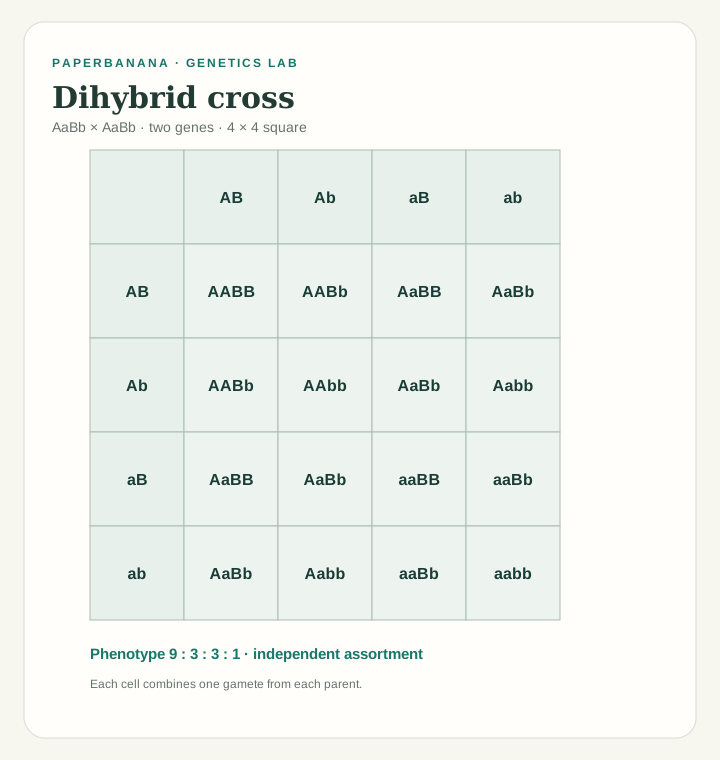
A Punnett square lists the gametes each parent can make and pairs them in a grid. Each inner cell is one possible offspring genotype. A one-gene cross uses a 2×2 grid. A two-gene cross uses a 4×4 grid, because each parent makes four equally likely gametes.

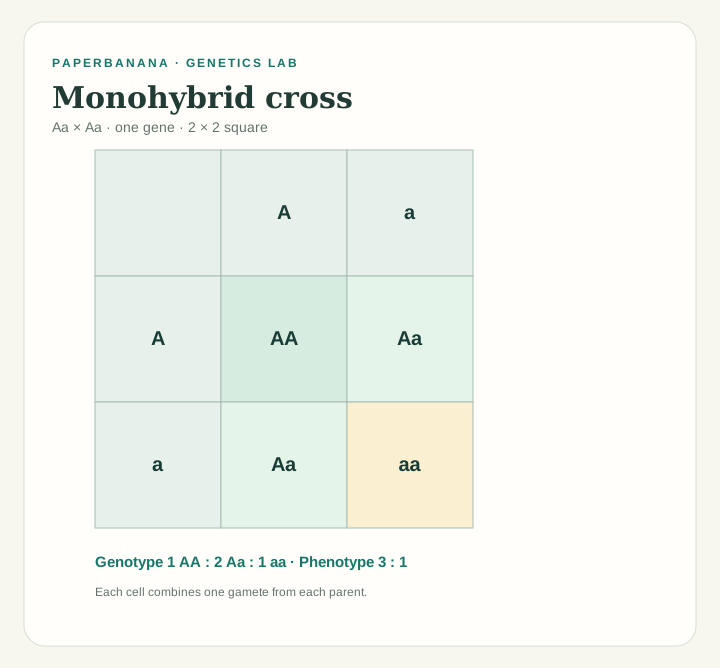
The genotype ratio counts allele combinations. The phenotype ratio groups genotypes by the trait they express, based on an inheritance rule. In a complete-dominance Aa × Aa cross, the genotype ratio is 1 AA : 2 Aa : 1 aa, and the phenotype ratio is 3 dominant : 1 recessive.

A Punnett square shows expected probabilities across many independent offspring. It does not guarantee the outcome for any single child. The classic 9:3:3:1 dihybrid ratio also assumes complete dominance and independent assortment. Real traits, such as human eye color, often involve many genes.

01

Parent genotypes

Enter the two alleles each parent carries for every trait.

02

Gametes

Split each parent's alleles so every gamete carries one allele per trait.

03

Offspring cells

Combine one row gamete with one column gamete in each cell.

04

Ratios

Count genotypes first, then group them into phenotypes using your chosen rule.
Monohybrid and Dihybrid Cross Examples

Open a complete cross to see the parent gametes and offspring outcomes. Then swap in your own genotypes.

Built for biology classes

Genetics Cross Practice for Homework and Class

Biology students, teachers, and tutors can use the same calculation in several ways.

Blank Punnett square worksheet ready for genetics practice

Students fill in the grid, then check their work

Type an offspring genotype into every cell and look for mistakes. Use the row and column gametes as hints before you reveal the answer key.

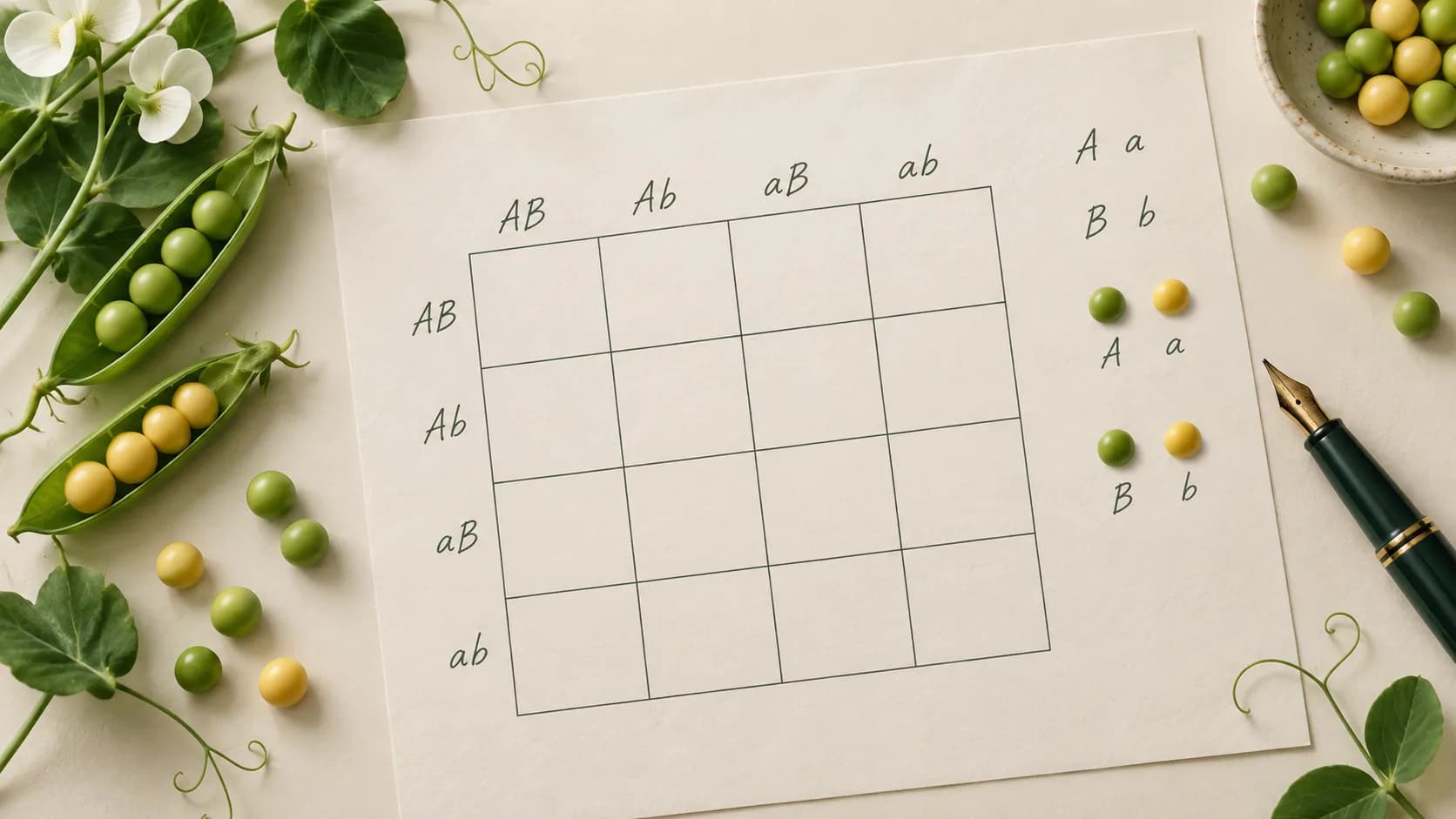
Genetics classroom workbench illustration with a blank Punnett grid and peas

Teachers explain inheritance step by step

Show a clear cross on a slide or worksheet. Use the gamete labels to explain where each allele came from.

Dihybrid Punnett square with four gametes on each parent axis

Tutors check two-trait crosses before class

Load AaBb × AaBb, review all sixteen pairings, and explain when the 9:3:3:1 ratio applies.

Exact, visible calculations

Calculate Genotype and Phenotype Ratios for Any Cross

Trace each gamete into the grid, compare genotype and phenotype ratios, or fill in the worksheet yourself and check it cell by cell.

Trace each offspring cell to its two parent gametes

Enter matching parent genotypes. The maker lists each gamete, including repeats from homozygous parents, before it fills the grid.

Try Punnett Square Maker Online
Monohybrid Punnett square showing parent gametes and offspring cells

Check genotype and phenotype ratios for homework

See counts, simplified ratios, fractions, and percentages. Switch between complete, incomplete, and codominant grouping to see why genotype and phenotype summaries can differ.

Try Punnett Square Maker Online
Dihybrid Punnett square with sixteen offspring cells

Practice filling in a Punnett square

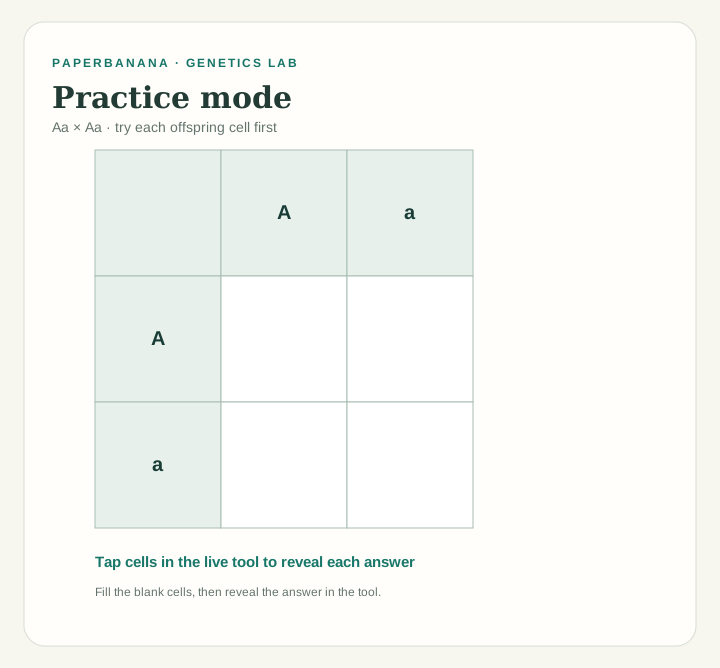
Enter your own genotype in each 2×2 or 4×4 cell. The checker accepts either allele order, marks correct and incorrect cells, and keeps the ratios hidden until you reveal the key.

Try Punnett Square Maker Online
Blank 2 by 2 Punnett square used for genetics practice
Know the model's limits

Assumptions and Limits of a Two-Trait Cross Calculator

The grid uses equally likely gamete combinations. For two traits, it assumes the genes assort independently. The phenotype summary follows the dominance option you select.

Complete dominance

An uppercase allele hides the recessive allele. Aa × Aa gives a 3:1 phenotype ratio.

Incomplete or codominant grouping

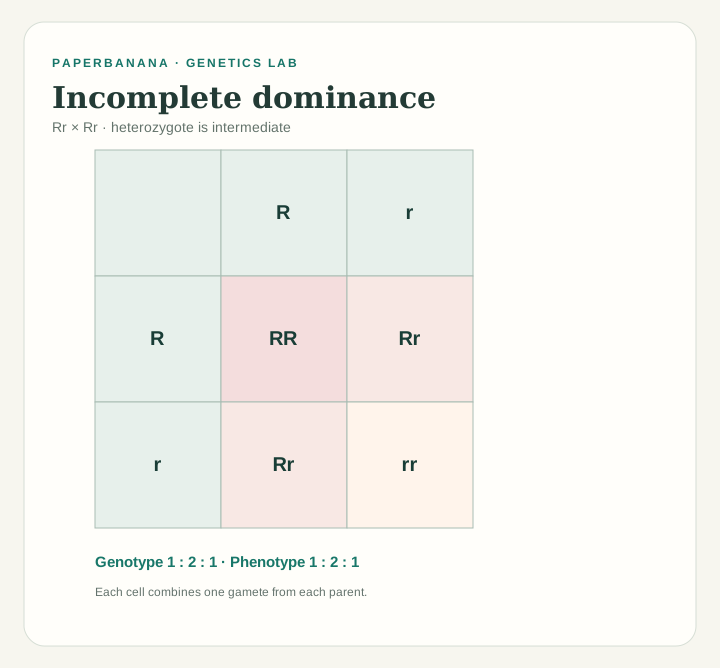
The heterozygote stays a separate phenotype instead of joining the dominant group. These labels are categories for a model, not real-world color or disease outcomes.

Complex traits need other models

This tool does not predict real eye color, hair color, ABO blood groups, sex-linked traits, linkage, or genetic risk.

Incomplete-dominance Punnett square with three distinct genotype and phenotype categories
A different inheritance rule changes how phenotypes are grouped, not the offspring genotype cells.Teaching model

What the tool gives you

Draw and Explain a Cross Faster Than by Hand

Follow the genetics from parent inputs to the exported figure.

Live

Instant 2×2 or 4×4 grid

Choose one or two traits, then watch the grid update as you edit parent genotypes.

Traceable

Every gamete shown

Read the row and column labels before you check the combined offspring cells.

Calculated

Ratios with percentages

Compare genotype counts with phenotype categories, fractions, and probabilities.

Learn

Practice with feedback

Fill in each offspring cell, check your score, use the parental gametes as a hint, and reveal answers only when you need them.

SVG + PNG

Figures ready for slides

Download a scalable SVG or a high-resolution PNG for class notes and slides.

No Signup

No signup

The calculation runs in your browser, with no account or upload needed.

How to use Punnett Square Maker

How to Make a Punnett Square Online

Start with a textbook example or enter your own valid parent genotypes.

01

Choose one or two traits

Use a 2×2 grid for one gene or a 4×4 grid for two genes that assort independently.

02

Enter both parent genotypes

Use pairs like Aa × Aa or AaBb × aabb. Matching letters represent the same gene.

03

Check gametes and ratios

Read each parent's gametes, inspect the offspring cells, then compare the genotype and phenotype summaries.

04

Fill in, check, or export

Turn on practice mode to type offspring cells and check your answers. Then reveal the key, or export the blank grid or the completed answer key as SVG or PNG.

Generate Your Cross in Punnett Square Maker
Genetics workbench with a blank four-by-four Punnett square worksheet
A four-by-four grid pairs four gametes from one parent with four from the other.

More classroom figures

Explore Related Science Diagram Tools

Use these tools for other classroom visuals and scientific figures.

View All Tools
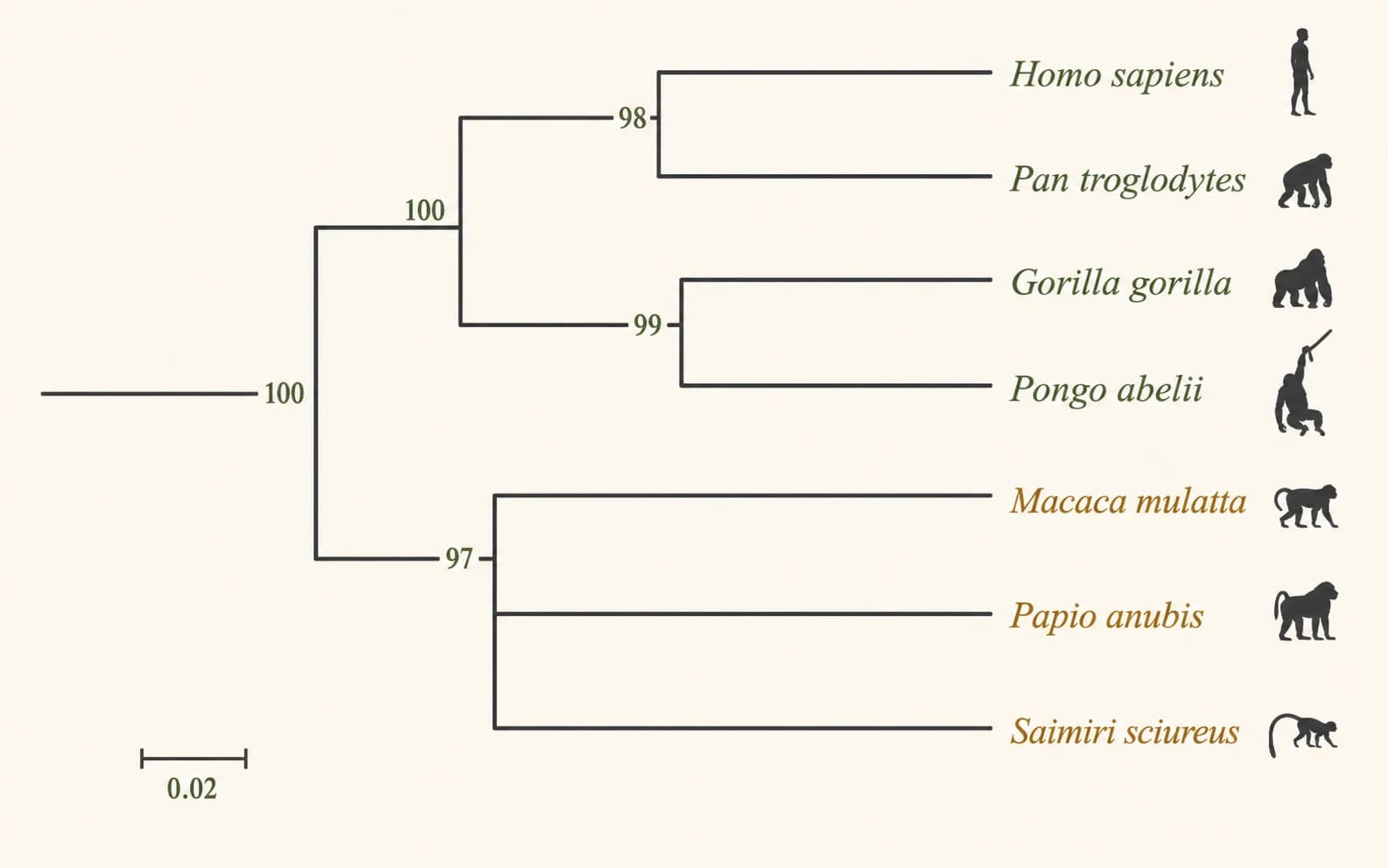
Phylogenetic tree diagram preview

Phylogenetic Tree Generator

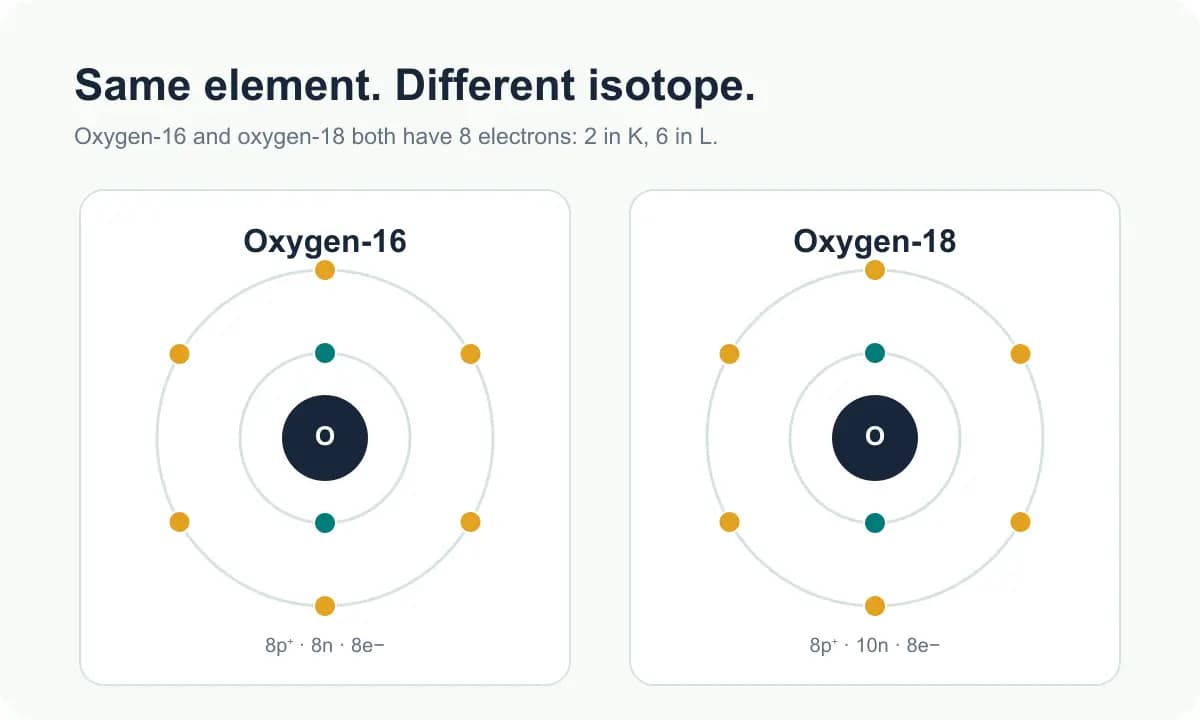
Bohr model diagram preview

Bohr Model Maker

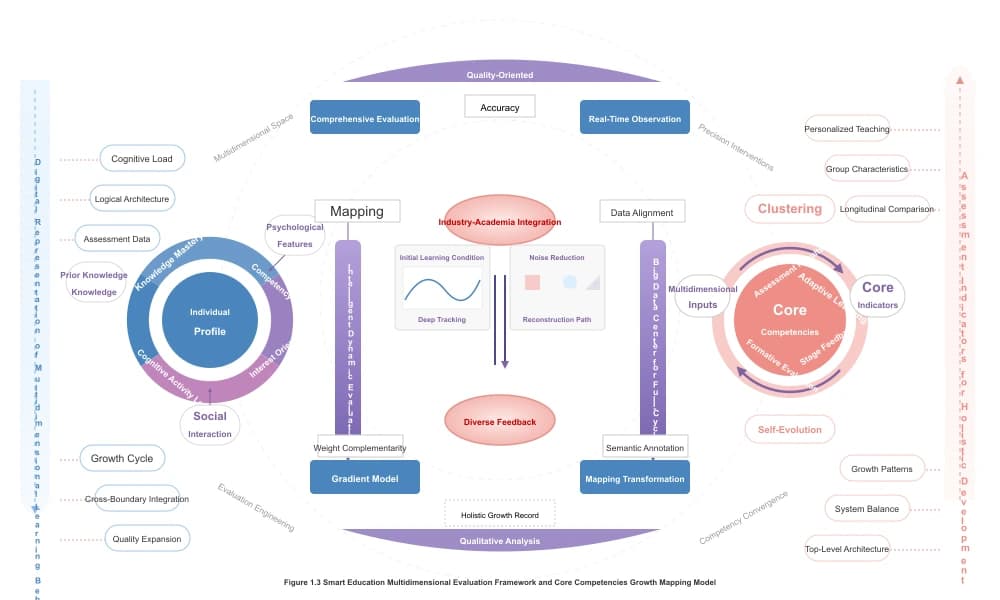
Scientific diagram preview

Scientific Diagram Maker

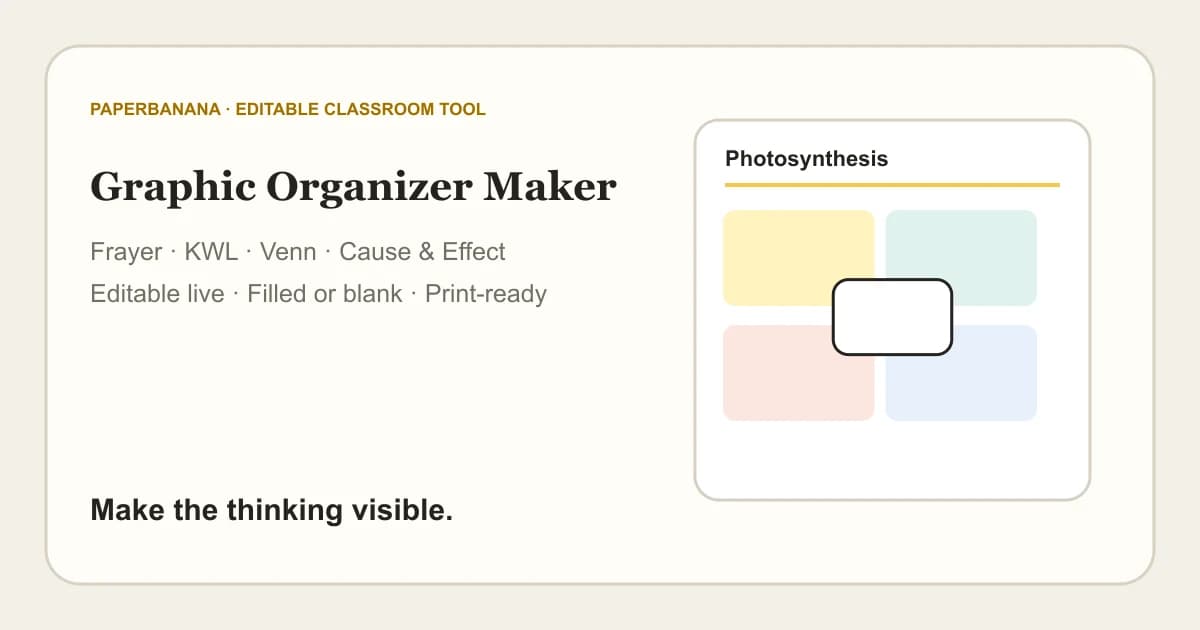
Graphic organizer preview

Graphic Organizer Maker

Punnett square questions

Frequently Asked Questions

How do I make a 2×2 Punnett square in an online Punnett Square Maker?+

Select one trait, then enter two parent genotypes, such as Aa and Aa. The maker places each parent's gametes on an axis and pairs them in four offspring cells. Read the genotype and phenotype ratios below the grid, or turn on practice mode to fill in the cells first.

How does a dihybrid Punnett Square Maker show a two-trait cross?+

Select two traits and enter two-gene genotypes, such as AaBb and AaBb. The tool lists four gametes per parent and combines them into sixteen cells. Inspect each cell, or practice filling them in yourself. The 9:3:3:1 phenotype ratio applies when both traits show complete dominance and assort independently.

Why can't a Punnett square predict human eye or hair color?+

A basic 2×2 or 4×4 square cannot reliably predict human eye or hair color. These traits involve many genes and other biological factors. This maker models one or two Mendelian traits under a chosen dominance rule, so use it to learn allele combinations and probabilities, not to forecast appearance.

What grid sizes does the Punnett Square Maker support?+

It supports 2×2 grids for one-gene crosses and 4×4 grids for two-gene crosses. A one-gene heterozygote cross gives two gametes per parent, and two heterozygous genes give four per parent. Other genetic setups can create different dimensions, but this maker does not include a 3×3 mode.

Why doesn't the Punnett Square Maker calculate ABO blood types?+

The ABO system has three alleles in the population and its own dominance relationships, which a two-allele model cannot represent. The codominant setting groups a heterozygote as its own phenotype for classroom use only. For blood-type questions, use a dedicated ABO calculator with verified parental blood genotypes.

How do I practice filling in a Punnett square and check my answers?+

Turn on practice mode, type a genotype into each 2×2 or 4×4 offspring cell, then select Check my grid. The maker marks correct cells and cells to retry. Selected row and column gametes give you a hint. Reveal one cell or the full answer key when you need it, then export the grid.

How do I read genotype and phenotype ratios in a Punnett square?+

The genotype ratio counts exact allele combinations, so an Aa × Aa cross gives 1 AA : 2 Aa : 1 aa. The phenotype ratio groups those combinations by the inheritance rule you select. With complete dominance, AA and Aa share the dominant category, so the same cross gives three dominant outcomes for every recessive one.

Start with a real cross, not a blank grid

Build Your Punnett Square Now

Pick a cross, check every gamete and offspring cell, and add a clean diagram to your class notes or slides.

Try Punnett Square Maker Now