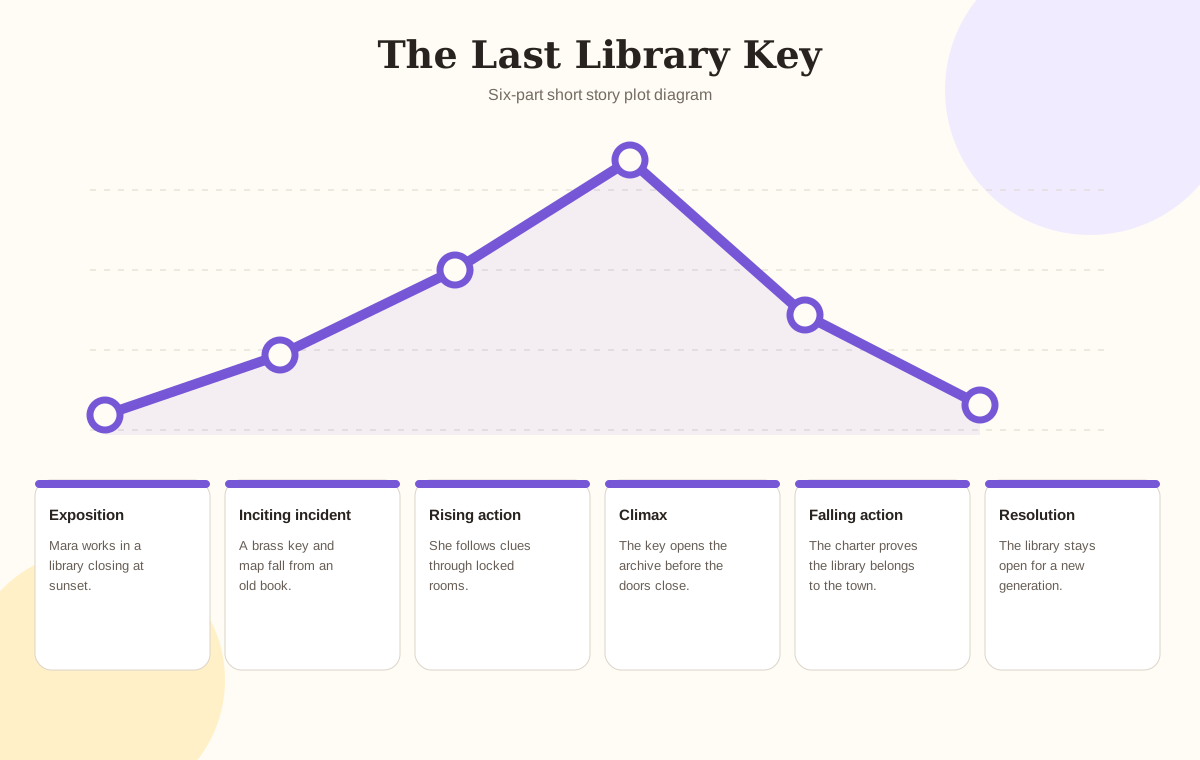
A plot diagram is a visual map of a narrative. It places the most important story events along an arc so readers can see how a conflict begins, grows, reaches a turning point, and resolves. The vertical rise represents narrative tension, not time or numerical data.
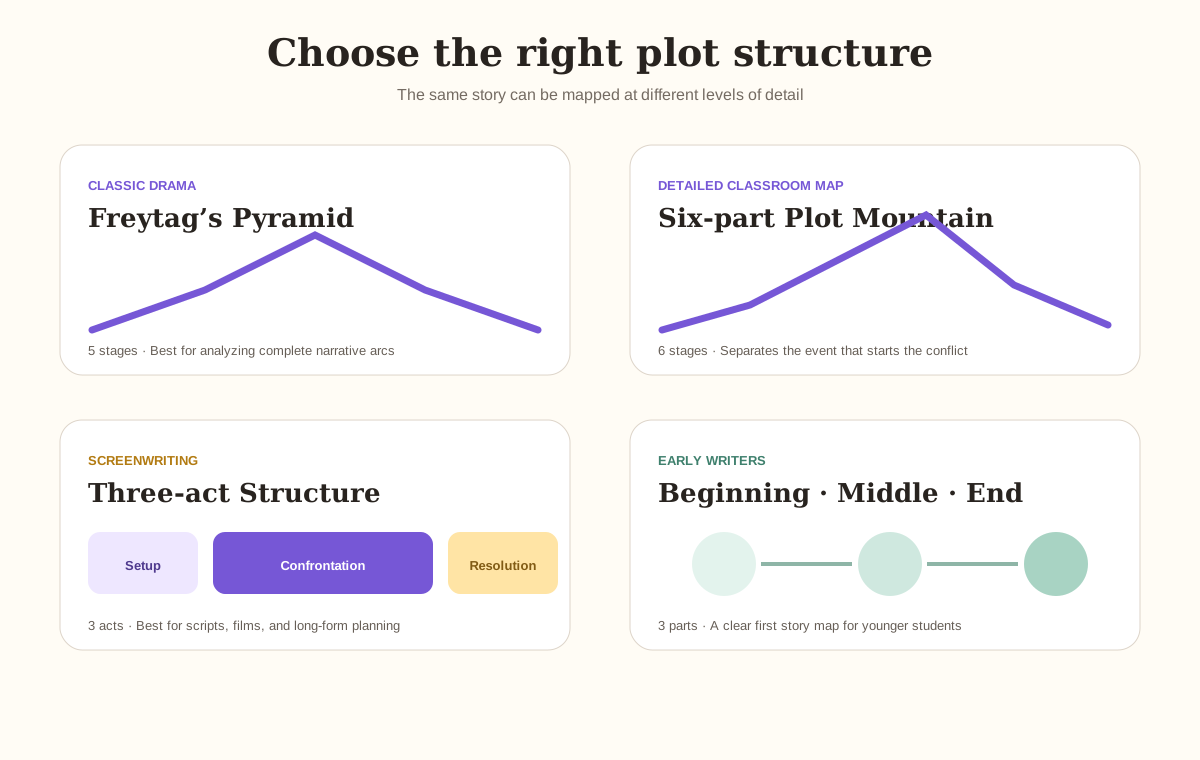
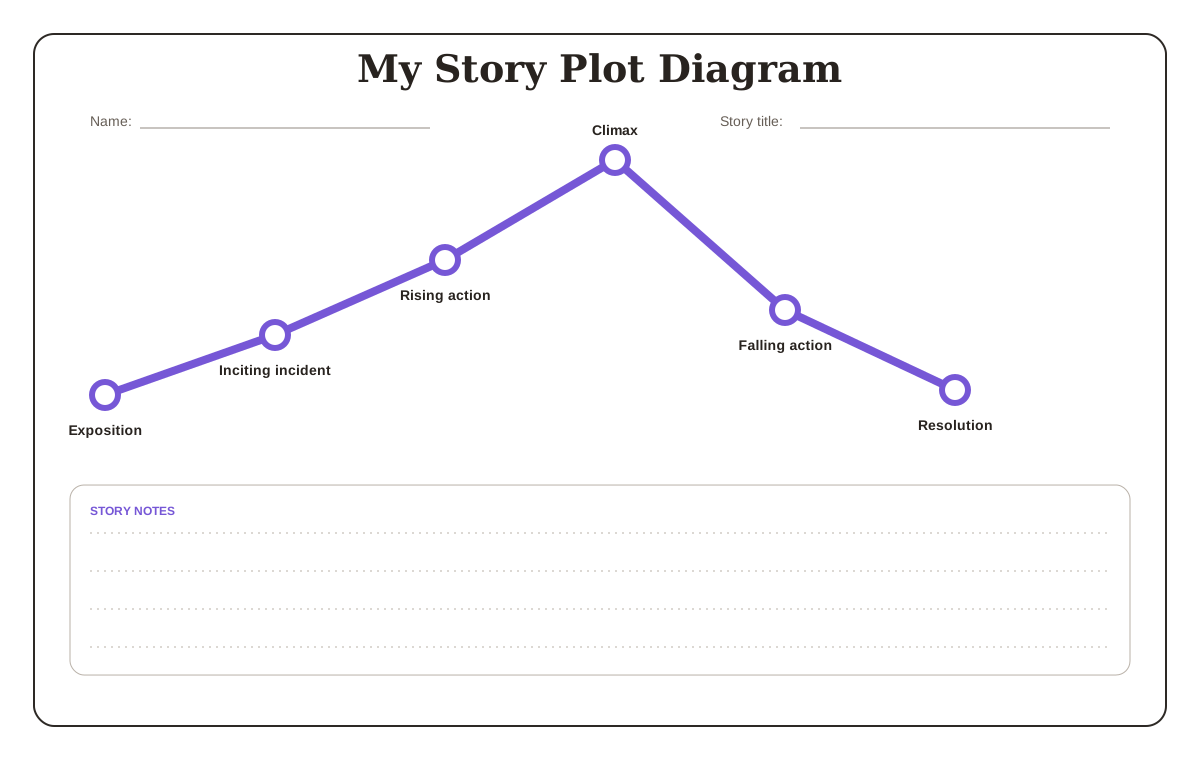
A common six-part plot mountain includes exposition, inciting incident, rising action, climax, falling action, and resolution. Freytag’s Pyramid combines the opening trigger with rising action, while three-act and beginning-middle-end structures group the same narrative movement more broadly.
A useful plot diagram records change, not every scene. Each box should name the event that alters the character’s goal, raises the stakes, forces a decision, or shows the consequence of that decision.
Exposition
Establish the characters, setting, and situation before the main conflict takes over.
Inciting incident
Identify the event that disturbs the normal situation and gives the character a new problem.
Climax
Mark the decisive choice or confrontation where the central conflict changes direction.
Resolution
Show the result of the conflict and the story’s new normal.